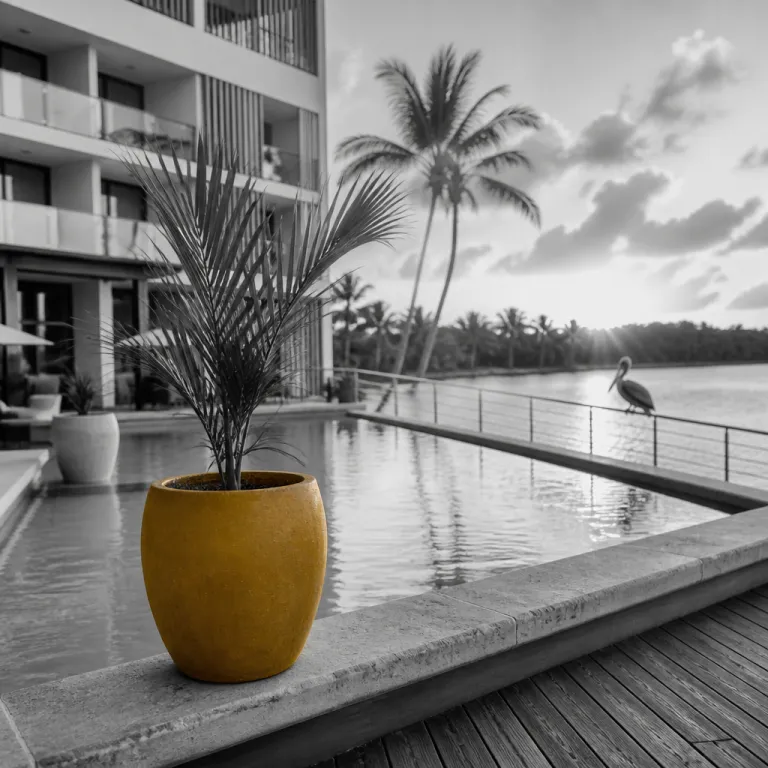
How miami blue shapes your first impression when you enter the lobby
Step into a refined Miami hotel lobby and the first impression often comes from a single miami blue accent wall, glowing softly behind reception. Designers use this specific blue color to echo the shallow waters off Miami and the nearby Florida Keys, creating an immediate sense of place for travellers who have just arrived. In the best properties, that first view feels curated rather than themed, with light, texture, and carefully chosen artworks working together to frame your stay.
Miami hoteliers increasingly brief interior designers to build an experience around this coastal palette, asking them to translate the shifting light blue tones of Biscayne Bay into fabrics, rugs, and sculptural furniture. The most successful lobbies balance cool blue butterflies of color with warm natural materials, so marble, pale oak, and linen soften the intensity and keep the space elegant rather than cold. When you compare different hotels in Miami, notice how some have created layered miami blues that move from deep teal at the entrance to lighter shades near the windows, subtly guiding you toward the bar, the lifts, or the pool terrace.
Lighting design is crucial because artificial light can distort blue color codes and make a refined hue look harsh or flat. Look for lobbies where the designers have used indirect light to wash walls and ceilings, allowing the miami blue tones to remain calm during the day and more dramatic at night. If you enjoy photography, this careful approach to light and color will reward you with a lobby photo that captures both the architecture and the relaxed coastal mood without needing heavy filters.
Miami-inspired guest rooms: calm, coastal, and quietly sophisticated
Guest rooms in the most thoughtful Miami hotels use miami blue as a gentle thread, not a loud statement. You might see a single blue butterfly motif embroidered on cushions, a light blue throw at the foot of the bed, or a framed photo of the Florida Keys coastline where the water mirrors the sky. This restrained use of color allows the room to feel restful while still reminding you that you are in Miami, not in a generic city anywhere in the United States.
Many interior designers draw inspiration from the endangered miami blue butterfly, a tiny coastal species whose natural habitat once stretched from Miami Beach to the Florida Keys. They translate the delicate wings of these blue butterflies into ombré fabrics, curved headboards, and patterned rugs that echo the shapes of dunes and seagrass in nearby wildlife areas. When you evaluate room photos online, look for spaces where the miami blues are layered with sandy neutrals and crisp white bedding, because this combination tends to age gracefully and photograph beautifully throughout the day.
Art plays a central role as well, with local artists often commissioned to create pieces that reference the blue butterfly Florida story or the shifting light over Biscayne Bay. If you appreciate contemporary work, prioritise hotels that treat corridors and rooms like small galleries and that align with guides on abstract art in Miami hotels. These curated collections add depth to the interior design content and give you a richer cultural experience than mass produced prints, especially when each piece has been created specifically for that property.
From shoreline to suite: translating miami blue wildlife stories into design
Behind many elegant Miami interiors lies a deeper narrative drawn from local wildlife and conservation work. The miami blue butterfly, known scientifically as Cyclargus thomasi and in South Florida as Cyclargus thomasi bethunebakeri, has become a quiet symbol for designers who want to connect guests with the fragile ecosystems surrounding the city. The United States Fish and Wildlife Service lists this subspecies as endangered under the Endangered Species Act, with remaining wild colonies now limited to a handful of coastal islands in the lower Florida Keys. When a hotel references these stories subtly, through patterns, textures, and curated books, it turns your stay into an opportunity to understand the region rather than just admire its beaches.
In the Florida Keys, especially near Key West and the Key West National Wildlife Refuge, conservation teams have worked to stabilise the population of this critically imperilled miami blue species. Interior designers sometimes collaborate with a local butterfly association or wildlife refuge educators to ensure that any butterfly motifs or miami blues used in fabrics respect the real biology and habitats of these butterflies. When you see a corridor lined with photos of dunes, white heron silhouettes, and great white egrets against a light blue sky, you are often looking at a visual essay about national wildlife areas rather than random decorative content.
Some hotels extend this storytelling into their amenities, offering field guides to butterfly Florida species, maps of nearby national wildlife refuges, and information about guided walks in protected areas. If you value meaningful travel, seek properties that mention partnerships with conservation groups or that donate a portion of art sales to endangered miami blue projects in the Florida Keys. These details may seem small, but they show that the interior design has been created with a sense of responsibility toward the landscapes and wildlife that inspired its miami blue palette.
Lighting, color codes, and how miami blue behaves in real rooms
Choosing a hotel in Miami often comes down to how the rooms feel at different times of day, and miami blue plays differently under morning and evening light. Natural light from floor to ceiling windows can make a light blue wall appear almost white at midday, while the same color deepens toward teal as the sun sets over the west national horizon. When you study online photos, pay attention to the direction of the view and the time of day, because this will influence how the blue color appears when you arrive.
Professional designers work carefully with color codes to ensure that miami blues remain consistent across textiles, paint, and tiles, even when manufactured by different suppliers. They often test several blue butterflies of tone on sample boards, observing how each reacts to artificial light, warm lamps, and cooler LEDs before committing to a final palette. As a guest, you benefit from this testing when you walk into a room that feels calm and cohesive, with no jarring shifts between the bathroom tiles, the bedroom walls, and the artwork frames.
Lighting control inside the room matters as much as the chosen color, so look for hotels that offer layered options such as dimmable ceiling lights, bedside lamps, and concealed strips that wash miami blue walls softly at night. This flexibility allows you to create a restful atmosphere after a bright day in Miami, while still enjoying the subtle play of light on the blue surfaces. If you plan to work remotely, ensure that the desk area has neutral light that does not distort colors on your screen, because overly warm bulbs can make blue tones look muddy and affect your perception of digital content.
Public spaces, rooftop views, and the wider miami blues palette
Beyond the guest room, shared spaces are where miami blue design can truly open up and connect with the skyline. Rooftop pools, lounge decks, and sky bars often frame a sweeping view of Miami, allowing the interior palette to blend with the real horizon over Biscayne Bay. When the water, the pool tiles, and the upholstery all sit within a family of miami blues, the entire experience feels more cohesive and visually calm.
Many hotels now treat their rooftops as signature spaces, commissioning artists to create large scale works that echo the blue butterfly and white heron stories from nearby wetlands. You can use specialist guides to Miami rooftop bars with views to identify properties where the design of the bar, the pool, and the seating has been created as a single composition. In these spaces, light blue cushions, pale stone, and carefully placed greenery soften the hard edges of the city and make the transition from day to night feel almost theatrical.
Ground floor restaurants and lounges often continue this palette, using deeper miami blue tones at night to create intimacy while still referencing the coastal setting. When you walk through these areas, notice how the designers use darker blues near the bar and lighter shades near windows or terraces, guiding your movement without obvious signage. This subtle choreography of color and light is one of the clearest signs that a hotel has invested in thoughtful interior design rather than relying on generic templates.
How to read photos and reviews to choose your ideal miami blue stay
When you compare hotels online, treat each photo gallery as a design story that reveals how miami blue has been used throughout the property. Start by checking whether the same family of blue appears in the lobby, rooms, pool deck, and corridors, because this consistency usually signals a well considered concept. If the blues shift randomly from room to room, the overall experience may feel less harmonious once you arrive.
Guest reviews can also hint at how successful the design really is, especially when travellers mention natural light, calming colors, or a strong sense of place connected to Miami and the nearby Florida Keys. Look for comments about how the rooms feel at night, whether the lighting is adjustable, and whether the view adds to the atmosphere or clashes with the interior palette. Pay attention when reviewers praise the artwork, because this often means that local artists and conservation themes, such as the endangered miami blue butterfly or national wildlife areas, have been integrated thoughtfully rather than used as superficial decoration.
Finally, consider your own priorities, whether you want a quiet room with soft miami blues and minimal patterns or a more expressive space filled with bold blue butterflies of color and statement pieces. If you care about conservation, choose hotels that reference partnerships with a butterfly association, a wildlife refuge, or national wildlife organisations working in the Florida Keys and Key West. By aligning your preferences with the design choices visible in the photos and content, you can book a stay where every detail, from the light blue walls to the curated art, supports the kind of Miami experience you value most.
Key figures behind miami blue design and conservation
- According to the United States Fish and Wildlife Service, the miami blue butterfly is listed as endangered under federal law, with wild populations now restricted mainly to parts of the lower Florida Keys and nearby coastal islands.
- Surveys conducted by conservation biologists in South Florida indicate that Cyclargus thomasi, including the subspecies Cyclargus thomasi bethunebakeri, has lost the vast majority of its historical range due to habitat loss, hurricanes, and coastal development.
- The Key West National Wildlife Refuge and other national wildlife areas in the region protect extensive marine and island habitats, providing essential shelter for blue butterflies, white heron colonies, and great white egrets.
- Design consultancies working with major Miami hotels report that coastal palettes built around miami blues and light blue tones now appear frequently in new or renovated properties along the beachfront.
- Visitor surveys from local tourism boards suggest that guests who perceive a strong connection between hotel interiors and surrounding wildlife areas are more likely to return to Miami and the Florida Keys for repeat stays.
FAQ: miami blue interiors and hotel choices
How can I tell if a hotel really uses a miami blue design concept ?
Look for consistent miami blue tones across the lobby, rooms, and pool areas, rather than isolated accents that feel random. Hotels with a genuine concept usually explain the inspiration in their website content, often referencing Miami’s coastline, the Florida Keys, or local wildlife stories.
Why do some Miami hotels reference the miami blue butterfly in their interiors ?
The miami blue butterfly is an endangered species native to coastal South Florida, so it has become a symbol of fragile beauty and conservation. Designers use subtle blue butterflies motifs, artwork, and educational materials to connect guests with nearby national wildlife refuges and to highlight the importance of protecting these habitats.
Does lighting really change how miami blue colors look in a room ?
Yes, lighting has a major impact on how any blue color appears, especially in spaces with large windows or strong artificial light. Natural daylight can make light blue walls seem brighter, while warm evening lighting deepens miami blues, so layered lighting options help you adjust the mood throughout your stay.
Are there Miami hotels that support conservation of the miami blue butterfly ?
Some properties partner with local conservation groups, a butterfly association, or a wildlife refuge working in the Florida Keys and Key West. These hotels may host exhibitions, sell art created by local artists, or donate a portion of proceeds to projects that protect endangered miami blue populations and other coastal wildlife.
What should I prioritise if I want a calm, coastal inspired room in Miami ?
Choose hotels that feature soft miami blues, sandy neutrals, and natural materials rather than very bright or contrasting palettes. Check photos for balanced light, simple patterns, and views toward the water or green areas, because these elements together create a more restful and authentic Miami experience.
