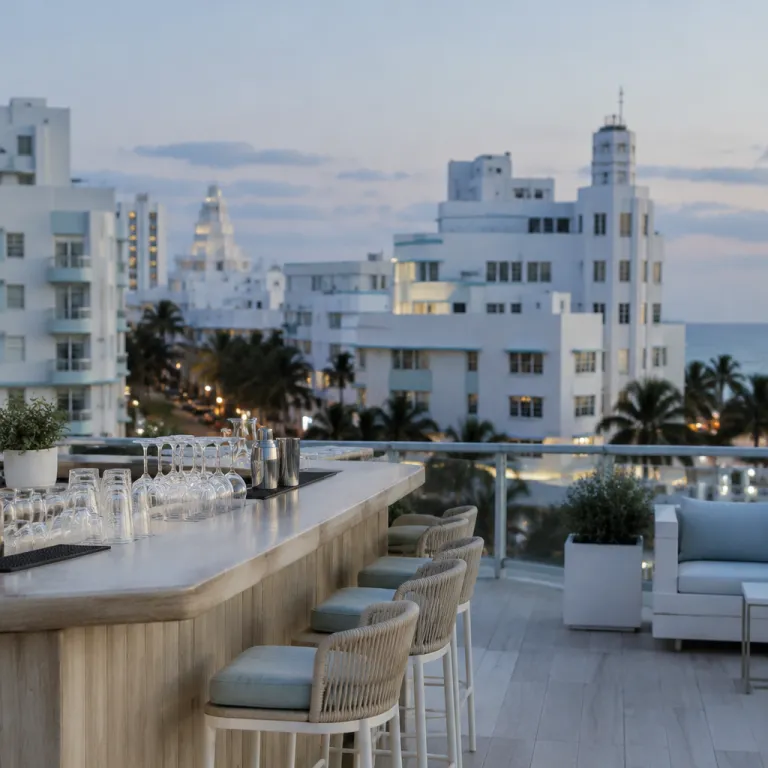
How the nightlife for which Miami is famous nyt shapes where you stay
The phrase “nightlife for which Miami is famous nyt” comes from a New York Times crossword clue that linked the city directly to “clubbing.” That single answer turned into shorthand for Miami’s after-dark identity: mega clubs, Latin lounges, rooftop bars, and late-night games mini of bar-hopping that now shape how travellers pick hotels. When readers compare properties, they are solving their own puzzle of distance to clubs, late check out, and quiet rooms that still keep them close to the action.
Miami’s core nightlife districts stretch across South Beach, Brickell, Wynwood, Little Havana, and the Design District, and each neighbourhood offers a different answer to what you expect from a night out. South Beach still delivers the classic ultra-clubbing experience that made the city a staple in the nyt mini crossword, while Brickell leans into high-rise lounges where finance, tech, and agency professionals unwind with crafted cocktails after long days. Wynwood and the Design District now attract a younger crowd that treats street art, immersive light shows, and DJ sets as interconnected games rather than separate events, turning each evening into a live puzzle of music, murals, and pop-up performances.
For hotel guests, the busiest nights are Fridays and Saturdays, and “What is Miami famous nightlife type per NYT crossword?” has a simple answer: “Clubbing”. That reality means you should expect higher room rates and stricter cancellation policies in the main winter high season, roughly from late November through March, when the climate is cooler and major events such as Art Basel and Miami Music Week draw global visitors. According to the Greater Miami Convention & Visitors Bureau, average daily hotel rates in peak season often run 20–40% higher than in summer, especially in South Beach. If you plan to stay hydrated while moving between venues, choose a hotel that offers complimentary water in the lobby and mini fridges in rooms, because those small comforts matter after marathon sets that run past sunrise.
Think of your booking process as a live version of the nyt mini, where each square is a decision about distance, budget, and noise tolerance. Some travellers treat hotel selection like a mini crossword of clues and answers, weighing whether they want to walk to E11EVEN or prefer a short rideshare from a quieter bayfront property. Others approach it like longer nyt strands style games, where strands of priorities such as pool quality, late night room service, and proximity to Little Havana’s salsa bars must all connect before they feel their plan is complete and the picture is complete.
Because Miami is a tourist magnet with a multicultural core and warm climate, its club scene is not limited to one demographic. You will see university students on break sharing dance floors with agency executives in tailored suits, and both groups often end up in the same after-hours venues like LIV, Story, or Club Space. That mix is part of the city’s authority in global club culture, supported by Miami clubs and DJs who host dance music, live shows, cabaret, and Latin nights with huge sound and light production that can run until 05:00 or later on weekends.
When you evaluate hotels online, pay attention to how recent guest reviews answer questions about noise, security, and elevator wait times after 02:00. Many readers skim reviews like clues answers in a puzzle, but you should read them as strands hints about how the property really performs on busy weekends. If multiple answers mention long waits for rideshare pick ups or crowded lifts, expect that your own late night returns from clubs may feel like games mini in patience rather than a smooth glide back to bed.
Choosing the right neighbourhood for Miami’s late night energy
Location is the single most important factor if you want to experience Miami’s famous nightlife without wasting time in traffic. South Beach remains the iconic choice for travellers who want to step from hotel lobby to velvet rope in minutes, but Brickell and Wynwood now compete strongly for guests who prefer a more local crowd. Little Havana is the best area for Latin music in nightlife, while the Design District offers a quieter, design-led base with quick access to multiple zones and easy connections by rideshare, taxi, or the free Miami Beach Trolley.
South Beach hotels suit travellers who want the classic answer to Miami’s clubbing reputation, with oceanfront pools that turn into daytime parties and easy access to Collins Avenue venues. Here, the city’s signature clubbing culture feels like a complete event that starts with sunset drinks, continues through dinner, and ends at sunrise after marathon DJ sets. Expect higher prices, stricter dress codes, and more elaborate door policies, especially on Fridays and Saturdays when the busiest nights in Miami clubs draw global crowds and long lines at headline venues.
Brickell appeals to guests who like the idea of a vertical city, where high-rise hotels connect directly to rooftop lounges and late night restaurants. The vibe is more financial district than beach, yet the same high-energy nightlife still pulses through its bars and clubs, especially around Brickell Avenue and the Miami River. If you work with a travel agency that specialises in corporate stays, ask them to answer specific questions about walking distances and noise levels, because some towers host both offices and clubs and can feel busy well past midnight.
Wynwood and the Design District attract travellers who treat nightlife like interactive games rather than a single clubbing event. Murals, galleries, and pop-up performances turn the streets into a live crossword of art and sound, where each corner offers new clues to the city’s creative energy. Staying in or near these districts suits readers who want to explore on foot, photograph street art, and then slip into smaller venues that feel like mini versions of the mega clubs across the bay, often with no cover and more experimental DJ sets.
Little Havana is essential if you care about Miami’s Latin roots, and its live music bars provide a different answer to the city’s reputation for clubbing. Here, salsa and son replace EDM, and the dance floor feels like a community event rather than a VIP-only space, especially along Calle Ocho. Hotels in nearby neighbourhoods such as Downtown or Brickell give you quick access to these venues while still keeping you close to the bayfront clubs and the Metromover or Metrorail for daytime transport.
If hip hop is your priority, study where to stay for the most electrifying hip hop clubs in Miami, because that guidance helps you align hotel choice with your preferred sound. Some travellers treat this research like solving nyt strands, connecting strands hints from friends, social media, and reviews until they see a complete picture of the scene. Whether you prefer mega clubs or intimate lounges, always factor in late night transport, as rideshare remains the safest answer for moving between districts after 23:00, especially if you are unfamiliar with local streets.
Hotel features that matter for Miami’s clubbing focused guests
Once you have chosen a neighbourhood, the next step is selecting hotel features that match Miami’s late night rhythm. Late check out, strong soundproofing, and blackout curtains are not luxuries here; they are practical answers to the reality of returning at dawn. A property that understands clubbing culture will often offer flexible housekeeping times, extended breakfast hours, and a lobby bar that stays open past midnight so you can wind down gradually.
Look closely at room descriptions for mini fridges, high quality mattresses, and effective air conditioning, because these details help you beat heat after long nights. Miami’s warm climate means you must stay hydrated, especially if you are dancing for hours in crowded venues with powerful light shows. Hotels that provide complimentary water, easy access to ice machines, and quick room service become valuable partners in your personal wellness strategy and make it easier to stay hydrated without constant extra spending.
Dress codes are strict in many of the venues that define Miami’s clubbing reputation, especially in South Beach and Brickell. Before you pack, review refined style rules from hotel lobby to late night club so that your outfits match expectations without sacrificing comfort. Some hotels now offer in-house stylists or partnerships with local boutiques, which can be a smart answer if your luggage is limited or your plans change after arrival and you decide to attend a higher-profile event.
Technology also plays a role in how hotels support club-focused guests, from fast Wi-Fi for last minute reservations to mobile keys that simplify late night returns. Many travellers treat their phones like mini control centres, juggling rideshare apps, guest list confirmations, and payment platforms while moving between venues. A hotel that offers strong connectivity and clear digital communication reduces friction, allowing you to focus on the experience rather than logistics and helping you manage multiple games, apps, and bookings at once.
Safety should remain a priority, especially when you are returning alone or in small groups after 03:00. Choose properties with staffed entrances, visible security, and well-lit access routes, and do not hesitate to ask the front desk for their answer on the safest drop off points. Staff at experienced hotels often act as real world strands hints, sharing which streets to avoid at certain hours and which venues maintain the best crowd management, so you can enjoy the scene with more confidence.
Finally, consider wellness amenities such as gyms, spas, and quiet pool decks, because Miami’s clubbing culture can be physically demanding. A morning sauna session or a few laps in a calm pool can help you reset before another round of clubs, bars, or live music. Over several nights, these restorative features become as important as proximity to the dance floor, especially for readers planning extended stays during peak season or combining nightlife with daytime sightseeing.
Planning your Miami nights like a carefully structured puzzle
Approach your trip planning as if you were solving a layered puzzle, where each piece represents a different aspect of the nightlife for which Miami is famous nyt. Start with the big picture: which nights you will go out, which districts you will visit, and how late you expect to stay. Then fill in the smaller squares with specific venues, dinner reservations, and transport plans that align with your hotel’s location and your budget.
Many travellers treat their itinerary like a live version of the nyt mini crossword, where each clue is a question about dress codes, cover charges, and DJ line ups. The answers you gather from club websites, social media, and hotel concierges form a complete grid that reduces uncertainty once you arrive. If you enjoy longer, more intricate planning, you might prefer a nyt strands style approach, connecting strands hints from friends, travel forums, and local media until a coherent pattern emerges and you feel confident about your choices.
Think of each night as a self-contained event, with a clear starting point, a main highlight, and a gentle landing back at your hotel. On one evening, Miami’s famous nightlife might mean a rooftop bar in Brickell followed by a late reservation at a riverfront restaurant and a final stop at an after-hours club. On another, it could be a Little Havana salsa bar, a Wynwood gallery opening, and a quiet drink in your hotel lounge before bed, giving your body a chance to recover.
Because Miami’s nightlife scene operates year round, with peak energy from late autumn to early spring, you should expect different crowd patterns depending on your travel dates. During major festivals and long weekends, the clubbing intensity rises, and you may need to secure tickets or guest list spots weeks in advance. In quieter periods, you can often improvise, but even then, Fridays and Saturdays remain the busiest nights in Miami clubs, and you should expect longer queues and higher cover charges on those evenings.
Use your hotel concierge as a trusted source of clues answers, especially if you are new to the city or travelling alone. Experienced staff understand which venues align with your taste, budget, and comfort level, and their answers often outperform generic online reviews. Treat their advice as high value strands hints that help you avoid tourist traps and focus on venues that genuinely reflect the nightlife for which Miami is famous nyt, from iconic clubs to under-the-radar lounges.
Finally, build recovery time into your schedule, because even the most enthusiastic clubbers need rest to enjoy multiple nights. Plan at least one evening where you return to your hotel earlier, perhaps after a sunset drink or a live jazz set, so your body can reset. That balance between intensity and rest ensures that each night feels like a fresh puzzle rather than a repetitive grind, keeping your enthusiasm high throughout your stay and helping you stay hydrated and clear-headed.
Budget, flights, and how long to stay for Miami nightlife
Financial planning is essential if you want to experience the nightlife for which Miami is famous nyt without overspending. Room rates, club entry fees, and drink prices all rise during peak season, especially in South Beach and Brickell, so align your budget with realistic expectations. A three to five night stay usually offers enough time to sample multiple districts while still allowing for rest days by the pool or beach.
Airfare plays a major role in your overall budget, and cheap flights to Miami Florida can shape your hotel strategy more than you might expect. When you secure lower fares, you can often allocate more funds to higher quality accommodation closer to the nightlife hotspots, reducing transport costs and late night travel time. Analysing how cheap flights influence your hotel choice helps you balance comfort, safety, and proximity to key venues, especially if you are flying in for a specific event or festival.
Once you know your travel dates, map out a realistic spending plan that covers accommodation, nightlife, dining, and daytime activities. Miami’s club scene can be as expensive or as moderate as you make it, depending on whether you prioritise VIP tables or prefer smaller bars with no cover. Many travellers find that investing in a well located hotel pays off, because walking or taking short rideshare trips between venues keeps costs predictable and reduces late night stress.
Consider the duration of your stay in relation to your energy levels and work commitments, especially if you are combining business and leisure. A shorter trip of two or three nights can still deliver a strong taste of Miami’s late night culture, but you will need to plan more tightly. Longer stays allow for more flexibility, including quieter evenings and daytime excursions to beaches, museums, or nearby nature reserves such as the Everglades.
Remember that Miami’s climate remains warm and humid for much of the year, so factor hydration and wellness into your budget. Buying bottled water in clubs can be costly, so hotels that provide refill stations or complimentary bottles help you stay hydrated without constant extra charges. Over several nights, these small savings accumulate, leaving more room in your budget for memorable experiences rather than basic necessities and helping you beat heat during long queues.
Finally, be honest about your priorities when allocating funds between hotel, nightlife, and other activities, because clarity here leads to better decisions. If the nightlife for which Miami is famous nyt is your main reason for visiting, it makes sense to invest more heavily in location and comfort, even if that means trimming other expenses. With a clear plan, you can enjoy the city’s late night energy while maintaining financial control and peace of mind.
Health, safety, and practical tips for late nights in Miami
Staying healthy and safe is non negotiable when you engage with Miami’s clubbing scene. Long nights, crowded venues, and warm temperatures can be demanding, especially if you are not used to late hours. A few practical habits will help you enjoy the scene while protecting your wellbeing and keeping your energy steady.
Hydration is your first line of defence, so make a conscious effort to stay hydrated before, during, and after nights out. Drink water in your hotel room, carry a small bottle when possible, and alternate alcoholic drinks with non alcoholic options to beat heat and fatigue. Hotels that provide easy access to water stations, ice, and in-room mini fridges make it easier to maintain these habits without constant extra spending and help you stay hydrated even after very late returns.
Food matters as much as drink, because the nightlife for which Miami is famous nyt often stretches past standard dinner hours. Plan at least one substantial meal before heading out, and identify late night dining options near your hotel in case you need a second round of calories. Many properties now offer 24 hour room service or extended kitchen hours, which can be a valuable safety net after long sessions on the dance floor when nearby restaurants have closed.
Transport is another key factor, and rideshare remains the safest and most flexible option for moving between districts after dark. Avoid walking long distances alone late at night, especially in unfamiliar areas, and always confirm vehicle details before getting in. Your hotel can provide a reliable answer on the best pick up and drop off points, reducing your exposure to poorly lit or isolated streets and helping you return smoothly after 03:00.
Respect local laws and venue policies, including the legal drinking age of 21 years in Florida and any specific club rules. Security staff and door teams are there to maintain order, and cooperating with them ensures that Miami’s famous nightlife remains enjoyable for everyone. If a situation feels uncomfortable, trust your instincts and remove yourself quickly, using your hotel as a safe base and asking staff for updated safety advice.
Finally, listen to your body and build rest into your schedule, even if you feel pressure to attend every event. A short nap before going out or a quiet morning by the pool can make the difference between a memorable trip and an exhausting blur. By combining sensible habits with thoughtful planning, you can experience Miami’s legendary nights while returning home rested, safe, and eager to visit again.
How tech, media, and global culture intersect with Miami nightlife
Miami’s after dark scene does not exist in isolation; it is deeply connected to global tech, media, and pop culture trends that shape the nightlife for which Miami is famous nyt. Social platforms, streaming services, and digital ticketing tools all influence which DJs rise, which clubs trend, and how quickly events sell out. Travellers now arrive with playlists, influencer recommendations, and saved posts that function like personalised guides to the city and its most talked-about parties.
Media brands such as Mashable and major newspapers often frame Miami’s clubs and festivals as headline events, reinforcing the city’s status as a late night capital. When a New York Times crossword clue links Miami directly to clubbing, it cements the city’s image in the cultural imagination far beyond Florida. Those references encourage readers from places as far as Singapore or students at Taylor University to consider Miami for their next long weekend or extended holiday focused on music and nightlife.
Technology also shapes how you move through the night, from mobile payments to ride hailing and digital guest lists. Many venues now use QR codes and apps to manage entry, and your phone becomes the central device that connects you to the nightlife for which Miami is famous nyt. Hotels that offer strong Wi-Fi, convenient charging points, and tech savvy concierges help you navigate this ecosystem smoothly and keep all your tickets, games, and reservations in one place.
Global music trends flow through Miami’s clubs, with Latin, hip hop, and electronic sounds constantly evolving in response to international influences. DJs and promoters collaborate with artists from different countries, turning each night into a live exchange of styles that keeps the scene fresh and unpredictable. For guests, this means you can experience cutting edge sets that may not yet have reached your home city and discover new artists before they appear on major playlists.
Tech launches and cultural moments also ripple through the city’s nightlife. When an Apple event in Sept unveils new iPhones Apple, Apple watches, or AirPods Sept updates, you can expect Apple fans, DJs, and promoters to fold those products into visuals, playlists, and social content almost immediately. The same happens when Mashable or other outlets highlight new games, mini apps, or strands-style puzzles, which quickly appear on screens in hotel bars and lounges as guests compare hints answers and discuss the latest strands hints.
Ultimately, the nightlife for which Miami is famous nyt thrives because it sits at the intersection of climate, culture, technology, and tourism. Hotels that understand this ecosystem and position themselves as informed guides, not just places to sleep, offer the most value to guests. When you choose such a property, you gain not only a comfortable bed but also a knowledgeable partner in navigating one of the world’s most dynamic night scenes.
Key figures and statistics about Miami nightlife and hotels
- Miami’s main winter high season typically runs from late November through March, concentrating demand for hotels and club entry into a cooler, drier part of the year and increasing prices and occupancy rates during that period.
- The legal drinking age in Florida is 21 years, a regulation that shapes door policies, ID checks, and hotel liability practices across Miami’s nightlife districts, especially in South Beach and Brickell.
- Fridays and Saturdays are consistently the busiest nights in Miami clubs, which means hotel guests should expect higher noise levels, longer queues, and increased rideshare demand on those evenings compared with weekdays.
- Miami’s main nightlife districts, including South Beach, Brickell, Wynwood, Little Havana, and the Design District, are all located within roughly 10 to 15 kilometres of each other, allowing hotel guests to sample multiple areas in a single trip with manageable travel times.
- Many of Miami’s ultra clubs operate well past 05:00, with some venues offering near 24 hour programming, which directly influences guest preferences for late check out, blackout curtains, and flexible housekeeping schedules in nearby hotels.
FAQ about Miami hotels and nightlife
What type of nightlife is Miami most famous for according to the NYT crossword?
The New York Times crossword once framed Miami’s signature nightlife type with the clue “What is Miami famous nightlife type per NYT crossword?” and the answer was “Clubbing”. That single word captures the city’s global reputation for mega clubs, marathon DJ sets, and dance floors that stay busy until sunrise. While Miami also offers live music, Latin bars, and rooftop lounges, clubbing remains the core association in many travellers’ minds.
Which nights are busiest in Miami clubs and how should I plan my hotel stay?
Fridays and Saturdays are the busiest nights in Miami clubs, drawing both locals and visitors into South Beach, Brickell, Wynwood, and Little Havana. If you plan to go out on those nights, consider booking a hotel with strong soundproofing, late check out, and easy access to rideshare pick up points. Travellers seeking quieter stays may prefer to schedule major nights out on Thursdays or Sundays instead.
What is the best area for Latin music in Miami nightlife?
Little Havana is widely regarded as the best area for Latin music in Miami nightlife, especially along Calle Ocho where live bands play salsa, son, and other Caribbean influenced styles. Staying in nearby Downtown or Brickell hotels gives you quick access to these venues while keeping you close to other nightlife districts. Many guests combine a Latin focused night in Little Havana with clubbing in South Beach or Wynwood on other evenings.
How does peak season affect hotel prices for nightlife focused trips?
Peak season in Miami generally runs from late November through March, when the combination of warm weather and major events drives up hotel demand. During this period, properties near key nightlife districts often raise rates and enforce stricter cancellation policies, especially around holidays and festival weekends. Travellers focused on the nightlife for which Miami is famous nyt should book early and budget for higher prices if visiting in these months.
What practical tips help me enjoy Miami nightlife safely from my hotel base?
To enjoy Miami nightlife safely, choose a hotel with staffed entrances, good lighting, and reliable transport connections, then use rideshare rather than walking long distances late at night. Stay hydrated, eat before going out, and respect local laws and venue rules, including the legal drinking age of 21 years. Listening to hotel staff recommendations about safe routes and reputable venues further reduces risk while enhancing your overall experience.